
Creating a Home That Stands the Test of Time Interior Designs
Trends come and go. Colours fall in and out of favour, materials evolve, and what feels contemporary today may look dated tomorrow. Yet some interiors possess an enduring quality that transcends passing trends. They feel considered, balanced and effortlessly beautiful, regardless of the year or season. Interior Designs
The secret lies in thoughtful design.
Creating a timeless home is not about following a strict set of rules or filling every room with expensive furniture. It is about understanding how space, proportion, materials, lighting and functionality work together to create an environment that feels distinctly yours.
At Novah Creations, we believe exceptional design lives at the intersection of architectural precision and timeless artistry. Through custom carpentry and bespoke interior solutions, we transform ideas into functional, carefully crafted spaces that reflect the way people live.
Whether you are planning a complete renovation, updating a single room or exploring new interior designs for your home, the right decisions can make a lasting difference.
Here are 18 practical tips to help you create a home that feels sophisticated today and remains beautiful for years to come.
Every successful interior begins with an idea. Before selecting finishes, browsing furniture catalogues or choosing a colour palette, take a step back and consider how you want your home to feel.
1. Start with a Clear Vision, Not a Passing Trend
Should it be calm and understated? Warm and inviting? Contemporary with architectural character? Your answers will shape the decisions that follow.
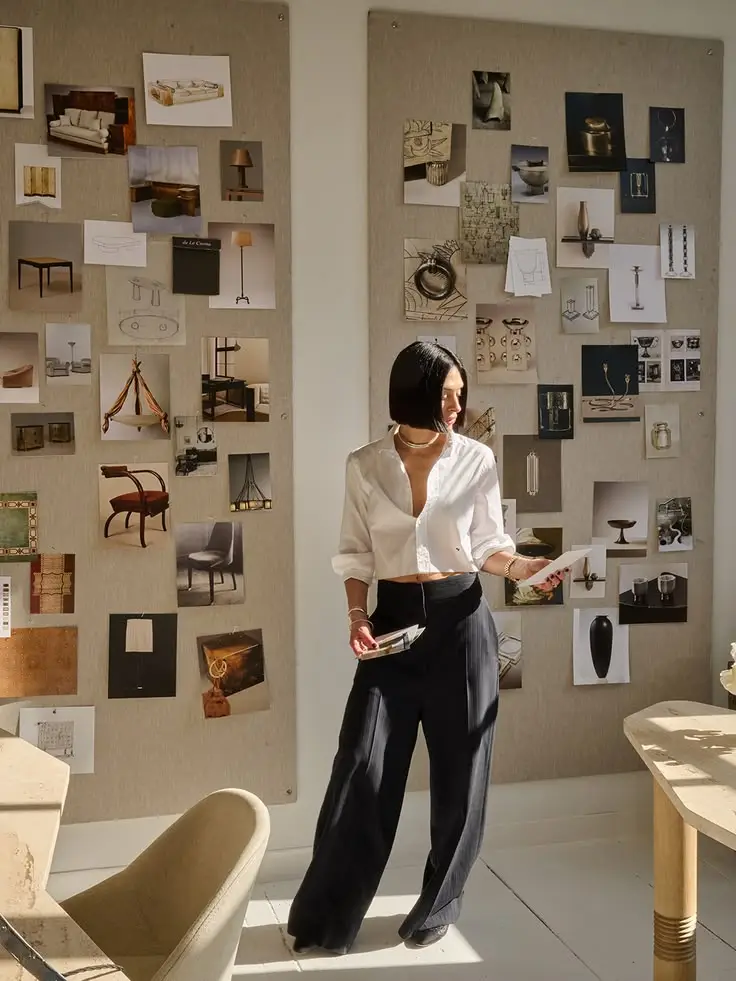
Create a mood board that brings together reference images, textures, colours and materials that appeal to you. Look for recurring elements rather than copying an entire room. Perhaps you are consistently drawn to natural timber, clean lines, muted colours or understated metallic accents. These preferences can form the foundation of your design direction.
A clear vision also prevents costly changes later in the project. When your choices follow a consistent concept, individual elements are more likely to complement one another.
The timeless takeaway: Design around your lifestyle and personal preferences. Trends can inspire you, but your home should never feel like a showroom that belongs to someone else. Interior Design
2. Embrace Modern Minimalism Without Losing Warmth
Minimalism is often associated with stark white rooms, empty surfaces and an almost clinical sense of perfection. In reality, thoughtful minimalism is about intention. Every element has a purpose, and every detail earns its place.
The result is a space that feels calm without becoming cold.
Begin by removing unnecessary clutter and simplifying visual distractions. Introduce warmth through natural wood, textured fabrics, soft lighting and carefully selected decorative pieces. A timber feature, a tactile rug or a sculptural light fitting can add depth without overwhelming the room.
The balance between simplicity and character is particularly important in contemporary homes. Too many competing finishes can make an interior feel disjointed, while an overly restrained palette can lack personality.
The objective is harmony.
The timeless takeaway: Choose fewer, better-considered elements. Allow materials, craftsmanship and proportion to create visual interest rather than relying on excessive decoration.
3. Invest in Quality Materials That Age Gracefully
Some design decisions are easy to change. Others become part of your home for decades.
Flooring, cabinetry, countertops, doors and built-in storage fall into the latter category. These elements influence not only the appearance of a room but also its everyday performance.
When choosing materials, consider durability, maintenance, texture and how the finish will look as it ages. Natural timber introduces warmth and character, while stone-inspired surfaces can create a refined, architectural appearance. Matte finishes often offer a softer visual effect than highly reflective alternatives, depending on the material and application. Interior Design
Quality does not necessarily mean choosing the most expensive option available. It means selecting materials that are appropriate for their purpose and investing where longevity matters most.
For example, cabinetry used every day deserves careful attention to construction, hardware and finish quality. Beautiful doors are only part of the equation; the internal structure and fittings matter just as much.
The timeless takeaway: Prioritise longevity over novelty. Materials that combine visual appeal with practical performance are more likely to reward you over time.
4. Choose a Cohesive Colour Palette
Colour can transform the atmosphere of a room before a single piece of furniture is introduced.
For enduring interior designs, begin with a considered foundation of neutral or muted tones. Warm whites, soft greys, earthy beiges and natural stone shades can provide flexibility as your tastes evolve. These colours also work well with a wide variety of textures and materials. Interior Design
However, a timeless palette does not need to be colourless.
Deep greens, rich browns, muted blues and carefully chosen darker accents can introduce personality without overpowering the space. The key is to establish a visual hierarchy. Let one or two dominant tones anchor the room, then use complementary shades to create depth.
Consider how colours interact with natural light, artificial lighting and surrounding finishes. A colour that appears warm in a sunlit room may feel entirely different in a north-facing space or under cool artificial lighting.
Test paint samples and material swatches in the actual room before making a final decision.
The timeless takeaway: Build your palette around colours you can live with comfortably, then introduce contrast through smaller, more adaptable details.
5. Make Built-In Cupboards Part of the Architecture
Storage should never feel like an afterthought. When designed thoughtfully, it becomes an integral part of the interior rather than a collection of furniture added after the main design decisions have been made.
This is where bespoke built-in cupboards can make a significant difference.
Instead of leaving awkward gaps above wardrobes or struggling to accommodate unusual wall dimensions, custom cabinetry can be designed around the proportions of the room. Floor-to-ceiling cupboards, integrated handles and carefully selected finishes create a cleaner, more unified appearance.
The benefits extend beyond aesthetics. Internal shelving, hanging rails, drawers and dedicated compartments can be configured around the way you actually use the space.
In bedrooms, this might mean organising clothing and accessories more efficiently. In living areas, concealed cupboards can reduce visual clutter while maintaining easy access to everyday essentials.
The most successful solutions consider both the exterior and the interior of the cabinetry. Beautiful doors create the first impression, but intelligent storage makes the design worthwhile every day.
The timeless takeaway: Treat storage as part of the architectural plan. Well-designed built-in cupboards can improve functionality while helping a room feel more spacious, cohesive and refined. Interior Designs
6. Prioritise Layout Before Decorating Interior Designs
A beautiful room can still feel uncomfortable if the layout does not work.
Before purchasing furniture or committing to built-in elements, consider how people will move through the space. Identify entrances, windows, circulation routes and the activities that will take place in each area.
In a living room, for example, seating should encourage conversation while allowing comfortable movement around tables and other furniture. In a bedroom, access to wardrobes, bedside tables and drawers should feel natural rather than restricted.
Open-plan homes require particular attention. Although removing physical barriers can create a sense of spaciousness, distinct functional zones are still important. Furniture placement, rugs, lighting and carefully positioned cabinetry can help define these areas without interrupting the overall flow.
Measurements are essential. A piece that looks perfectly proportioned in a photograph may overwhelm your actual room.
The timeless takeaway: Let functionality guide the layout. When a space works effortlessly, its beauty becomes part of the everyday experience. Interior Designs
7. Layer Your Lighting to Create Atmosphere
Lighting does much more than illuminate a room. It highlights textures, defines architectural features and influences how colours and materials are perceived.
A timeless lighting scheme combines three main layers.
- Ambient lighting provides general illumination throughout the room.
- Task lighting supports specific activities, such as reading, cooking or working.
- Accent lighting draws attention to artwork, textured walls, display shelving or architectural details.
Rather than relying on a single ceiling fixture, combine different light sources to create flexibility. Pendant lights can provide a focal point above a dining table or kitchen island, while concealed LED lighting can add subtle definition to selected cabinetry or shelving. Interior Designs
The colour temperature of your lighting also matters. Warmer light often creates a relaxed atmosphere in bedrooms and living spaces, while task areas may benefit from lighting chosen for clarity and accurate visibility.
Whenever possible, make use of natural light. Sheer window treatments, reflective surfaces and thoughtful furniture placement can help daylight travel through a room.
The timeless takeaway: Plan lighting alongside your interior design, not as a finishing touch. A well-lit room can feel dramatically different without changing a single piece of furniture.
8. Let Bespoke Carpentry Define Your Space
There is a difference between furnishing a room and designing it around the way you live.
Ready-made furniture can be useful, but standard dimensions and limited finishes do not always suit the proportions or requirements of a particular home. Bespoke carpentry offers another approach: creating elements specifically for the space they occupy.
A custom entertainment unit can conceal cables and electronic equipment while complementing the surrounding finishes. A fitted study can integrate shelving, work surfaces and storage into a compact room. A tailored display cabinet can introduce visual interest without disrupting the overall design.
These solutions allow practical requirements and aesthetic decisions to work together from the beginning.
The finest details are often subtle: the alignment of cabinet doors, the relationship between timber grain and surrounding finishes, or the way a unit follows the lines of a wall. Individually, these details may seem small. Together, they create a sense of precision.
The timeless takeaway: Consider where custom carpentry could solve a practical problem while strengthening the overall design. The most successful bespoke elements feel as though they belong exactly where they are.
9. Bring Natural Textures into Your Interior Designs
A room can have a beautiful colour palette and carefully selected furniture yet still feel flat. Often, what is missing is texture.
Texture introduces depth, contrast and a sense of material richness without requiring additional colours or decorative objects. It is especially valuable in modern minimalist interiors, where simplicity places greater emphasis on the qualities of individual materials.
Combine smooth and tactile surfaces thoughtfully. Timber can soften the appearance of stone, linen can balance polished metal, and textured upholstery can add warmth to streamlined cabinetry.
Natural materials are particularly effective because they introduce subtle variation. Wood grain, stone patterns and woven fibres each have distinctive characteristics that prevent a space from feeling overly uniform.
You do not need to introduce every texture at once. A timber cabinet, a textured wall finish and carefully chosen soft furnishings may be enough to establish a layered, considered atmosphere.
Pay attention to balance. Too many competing textures can make a room feel visually busy, while repeating a few complementary materials creates continuity.
The timeless takeaway: Allow materials to provide character. Thoughtful combinations of texture can make even the simplest interior feel warm, sophisticated and complete.
End of Part 1. Part 2 continues with tips 10–18, exploring statement pieces, spatial balance, window treatments, functional kitchens, personalisation, technology, planning, finishing details and long-term design decisions. The conclusion will appear only at the end of Part 2.

1 Comment
Great post!