
18 Interior Designs Tips to Transform Your Home into a Timeless Masterpiece
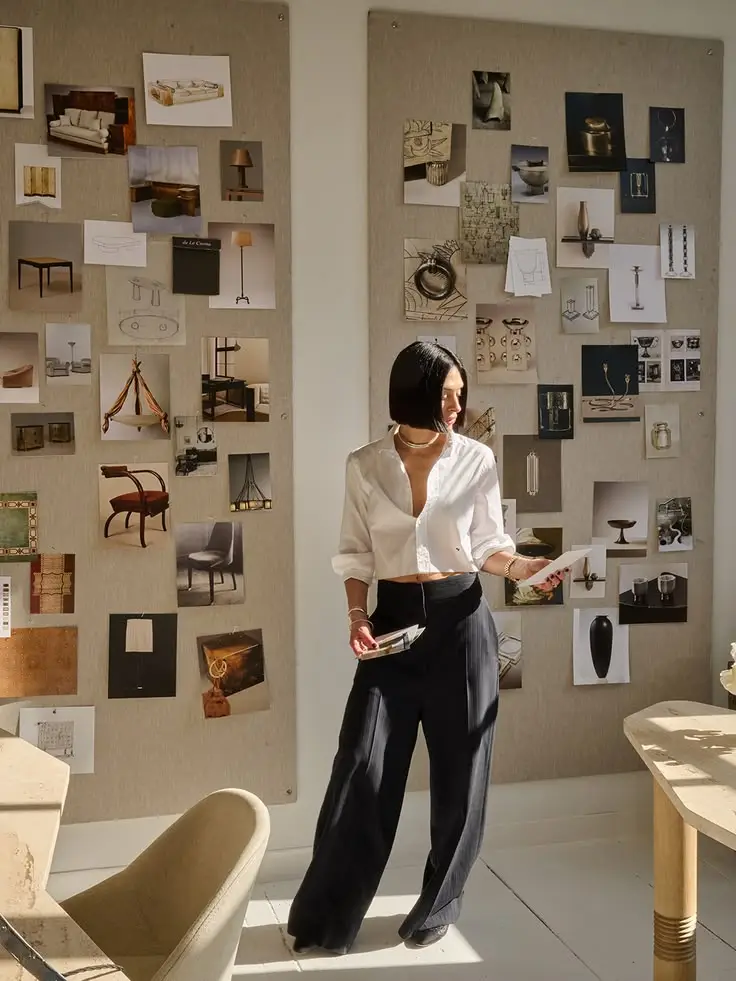
Creating a Home That Stands the Test of Time Interior Designs Trends come and go. Colours fall in and out of favour, materials evolve, and what feels contemporary today may look dated tomorrow. Yet some interiors possess an enduring quality that transcends passing trends. They feel considered, balanced and effortlessly beautiful, regardless of the year or season. Interior Designs The secret lies in thoughtful design. Creating a timeless home is not about following a strict set of rules or filling every room with expensive furniture. It is about understanding how space, proportion, materials, lighting and functionality work together to create an environment that feels distinctly yours. At Novah Creations, we believe exceptional design lives at the intersection of architectural precision and timeless artistry. Through custom carpentry and bespoke interior solutions, we transform ideas into functional, carefully crafted spaces that reflect the way people live. Whether you are planning a complete renovation, updating a single room or exploring new interior designs for your home, the right decisions can make a lasting difference. Here are 18 practical tips to help you create a home that feels sophisticated today and remains beautiful for years to come. Every successful interior begins with an idea. Before selecting finishes, browsing furniture catalogues or choosing a colour palette, take a step back and consider how you want your home to feel. 1. Start with a Clear Vision, Not a Passing Trend Should it be calm and understated? Warm and inviting? Contemporary with architectural character? Your answers will shape the decisions that follow. Create a mood board that brings together reference images, textures, colours and materials that appeal to you. Look for recurring elements rather than copying an entire room. Perhaps you are consistently drawn to natural timber, clean lines, muted colours or understated metallic accents. These preferences can form the foundation of your design direction. A clear vision also prevents costly changes later in the project. When your choices follow a consistent concept, individual elements are more likely to complement one another. The timeless takeaway: Design around your lifestyle and personal preferences. Trends can inspire you, but your home should never feel like a showroom that belongs to someone else. Interior Design 2. Embrace Modern Minimalism Without Losing Warmth Minimalism is often associated with stark white rooms, empty surfaces and an almost clinical sense of perfection. In reality, thoughtful minimalism is about intention. Every element has a purpose, and every detail earns its place. The result is a space that feels calm without becoming cold. Begin by removing unnecessary clutter and simplifying visual distractions. Introduce warmth through natural wood, textured fabrics, soft lighting and carefully selected decorative pieces. A timber feature, a tactile rug or a sculptural light fitting can add depth without overwhelming the room. The balance between simplicity and character is particularly important in contemporary homes. Too many competing finishes can make an interior feel disjointed, while an overly restrained palette can lack personality. The objective is harmony. The timeless takeaway: Choose fewer, better-considered elements. Allow materials, craftsmanship and proportion to create visual interest rather than relying on excessive decoration. 3. Invest in Quality Materials That Age Gracefully Some design decisions are easy to change. Others become part of your home for decades. Flooring, cabinetry, countertops, doors and built-in storage fall into the latter category. These elements influence not only the appearance of a room but also its everyday performance. When choosing materials, consider durability, maintenance, texture and how the finish will look as it ages. Natural timber introduces warmth and character, while stone-inspired surfaces can create a refined, architectural appearance. Matte finishes often offer a softer visual effect than highly reflective alternatives, depending on the material and application. Interior Design Quality does not necessarily mean choosing the most expensive option available. It means selecting materials that are appropriate for their purpose and investing where longevity matters most. For example, cabinetry used every day deserves careful attention to construction, hardware and finish quality. Beautiful doors are only part of the equation; the internal structure and fittings matter just as much. The timeless takeaway: Prioritise longevity over novelty. Materials that combine visual appeal with practical performance are more likely to reward you over time. 4. Choose a Cohesive Colour Palette Colour can transform the atmosphere of a room before a single piece of furniture is introduced. For enduring interior designs, begin with a considered foundation of neutral or muted tones. Warm whites, soft greys, earthy beiges and natural stone shades can provide flexibility as your tastes evolve. These colours also work well with a wide variety of textures and materials. Interior Design However, a timeless palette does not need to be colourless. Deep greens, rich browns, muted blues and carefully chosen darker accents can introduce personality without overpowering the space. The key is to establish a visual hierarchy. Let one or two dominant tones anchor the room, then use complementary shades to create depth. Consider how colours interact with natural light, artificial lighting and surrounding finishes. A colour that appears warm in a sunlit room may feel entirely different in a north-facing space or under cool artificial lighting. Test paint samples and material swatches in the actual room before making a final decision. The timeless takeaway: Build your palette around colours you can live with comfortably, then introduce contrast through smaller, more adaptable details. 5. Make Built-In Cupboards Part of the Architecture Storage should never feel like an afterthought. When designed thoughtfully, it becomes an integral part of the interior rather than a collection of furniture added after the main design decisions have been made. This is where bespoke built-in cupboards can make a significant difference. Instead of leaving awkward gaps above wardrobes or struggling to accommodate unusual wall dimensions, custom cabinetry can be designed around the proportions of the room. Floor-to-ceiling cupboards, integrated handles and carefully selected finishes create a cleaner, more unified appearance. The benefits extend beyond aesthetics. Internal shelving, hanging rails, drawers and dedicated compartments can be configured around the way you